The Most Common Reason Healthcare Rebrands Fail: They’re Cosmetic
There’s a certain kind of excitement that comes with a rebrand. New logo. Fresh color palette. Updated website. Maybe even a shiny brand video to really shake things up.
It feels pivotal. But in many cases, it’s not.
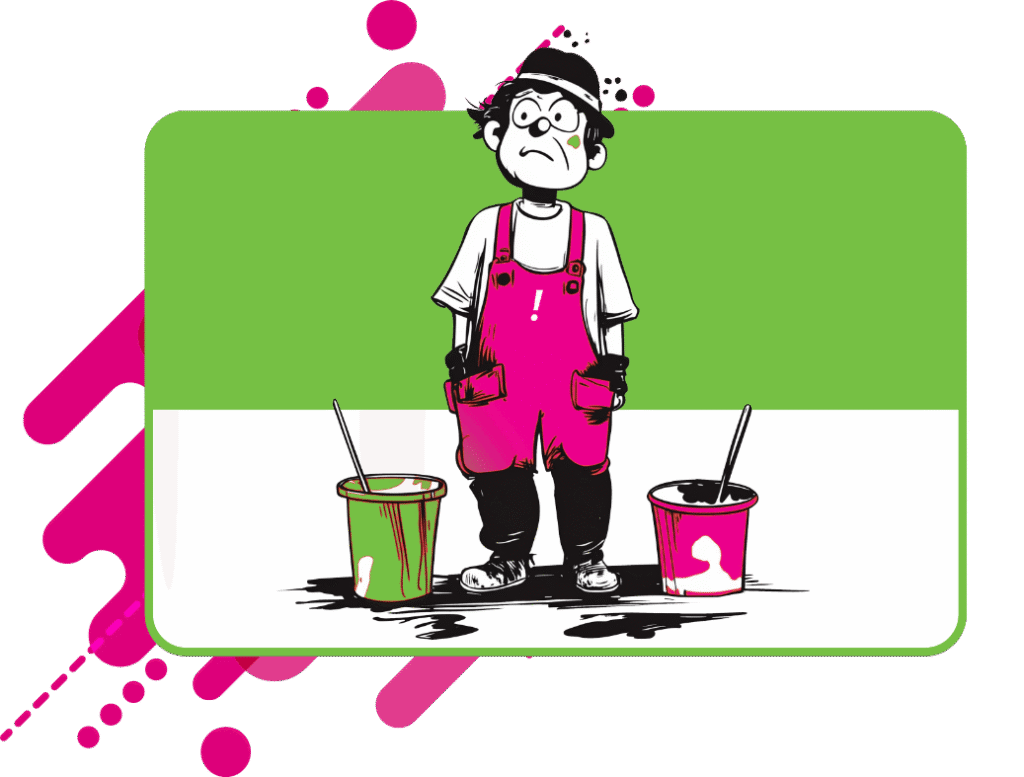
Most healthcare rebrands don’t fail because they look bad. They fail because they don’t go deep enough. They’re cosmetic fixes applied to structural problems, like a fresh coat of paint on a house with a cracked foundation.
Everyone’s chasing a transformation. But too often, what they’re really buying is a surface-level upgrade dressed up as a foundational change.
Fresh paint is not your answer
We love a new logo, which can be a powerful signal of a renewed brand. But it’s often used as a shortcut instead of a true shift — a way to say “we’ve evolved” without doing the harder work of…actually evolving.
No amount of design magic will save you if:
Your positioning is muddy
Your messaging is “blah”
Your internal teams aren’t aligned
You’ll end up with the same confusion — just a little prettier.
Clarity > cosmetics
The brands that stand out are different and can articulate how they’re different in a way that’s clear and consistent.
Some brands mistakenly think this starts with a punchy tagline or a mission statement buried in your About page. In reality, it starts with strategic positioning that answers the real questions:
Who is your audience?
What is your audience like (behavior and mindset)?
What do you do better than anyone else?
Why should anyone care?
If you can’t answer these questions without sounding like every other brand in your space, your rebrand isn’t ready for prime time. After all, design can amplify clarity — but it can’t create it.
The rollout myth
A common trap many brands face is the “big reveal.” Months and even years of work lead up to one launch moment. New signage goes up. The website flips. Internal emails go out. Maybe someone even orders a cake.
Without a thoughtful rollout strategy, your rebrand becomes a blip instead of a behavior change. Teams revert, old language creeps back in, and your new identity becomes something that exists in a brand guidelines PDF and nowhere else.
It’s less like flipping a switch and more like rewiring the house. And if you skip that part, don’t be surprised when the lights keep flickering.
A better rebrand starts with better questions
Rebrands center around honesty and asking tough questions:
Are we actually differentiated or just saying we are?
Do our people believe in this shift, or are we forcing it?
Are we willing to change how we operate, not just how we look?
When you get the foundation right, the visuals don’t just look good — they also mean something.
So if your rebrand strategy starts with “we need a new logo,” you’re already in trouble. A new logo won’t fix unclear positioning, align your teams, or magically make your messaging resonate.
But if you do the deeper work — rethink your positioning, sharpen your messaging, align your people, and build a rollout that sticks — and then design a new logo? Instead of being cosmetic, it becomes a symbol of something real, transformational, and memorable.